Tooth Removal Aftercare: Dos and Don’ts for Faster Healing
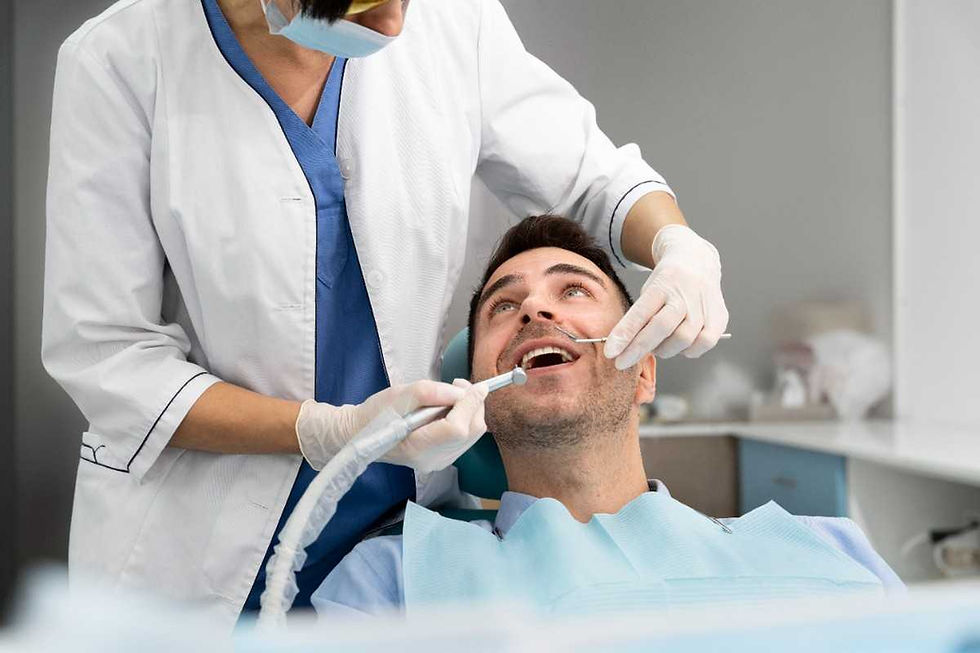
Tooth extraction is a routine dental procedure, but the recovery phase is just as important as the treatment itself. Proper aftercare not only helps reduce pain and swelling but also prevents complications like infection or dry socket. If you want a smooth and quick recovery, understanding the right steps to follow after your procedure is essential.
Why Aftercare Is Crucial After Tooth Removal
Once a tooth is removed, your body immediately begins the healing process by forming a protective blood clot at the extraction site. This clot acts as a natural barrier, shielding the underlying bone and nerves while new tissue develops. If this clot is disturbed or dislodged, it can lead to a painful condition known as dry socket, which delays healing and requires additional treatment.
Good aftercare ensures that the clot stays intact and the area heals properly. It also minimizes discomfort, reduces swelling, and prepares your mouth for any future dental procedures, such as implants or restorations.
Dos for Faster Healing
Follow Your Dentist’s Instructions Carefully
Your dentist will provide specific guidelines based on your procedure. These instructions are designed to promote healing and prevent complications, so it’s important to follow them closely.
Use Ice Packs to Control Swelling
Swelling is a common response after tooth removal. Applying an ice pack to the outside of your cheek in 10–15 minute intervals during the first 24 hours can help reduce inflammation and provide relief.
Rinse Gently with Salt Water
After the first 24 hours, rinse your mouth gently with warm salt water a few times a day. This helps keep the area clean and supports the healing process without disturbing the clot.
Eat Soft and Nutritious Foods
Stick to soft foods such as soups, yogurt, mashed potatoes, and smoothies. These foods are easy to consume and won’t irritate the extraction site. Proper nutrition also supports faster healing.
Take Prescribed Medications
If your dentist prescribes antibiotics or pain relievers, take them as directed. These medications help control pain and prevent infection, ensuring a smoother recovery.
Don’ts to Avoid Complications
Avoid Smoking and Tobacco Products
Smoking can significantly delay healing and increase the risk of dry socket. It’s best to avoid tobacco use for at least a few days after the procedure.
Don’t Use Straws
The suction created when using a straw can dislodge the blood clot, leading to pain and delayed healing. Drink directly from a cup instead.
Stay Away from Hard, Crunchy, or Spicy Foods
Foods that are hard, hot, or spicy can irritate the extraction site and interfere with healing. Stick to gentle, soft options until the area has healed.
Don’t Brush the Extraction Site Immediately
While oral hygiene is important, avoid brushing directly over the extraction area for the first couple of days. This helps prevent irritation and protects the clot.
Avoid Heavy Physical Activity
Strenuous activities can increase blood pressure and may cause bleeding at the extraction site. Rest and allow your body time to recover.
Common Symptoms During Healing
What’s Normal?
During the healing process, it’s normal to experience:
Mild bleeding within the first 24 hours
Swelling and slight discomfort
Limited jaw movement
These symptoms typically improve within a few days as your body heals.
Warning Signs to Watch For
You should contact your dentist if you notice:
Severe or worsening pain after a few days
Persistent or heavy bleeding
Signs of infection such as fever, swelling, or discharge
Prompt attention can prevent more serious complications.
How Long Does It Take to Heal?
Healing time varies depending on the complexity of the extraction and your overall health. In most cases:
Initial healing occurs within 1 to 2 weeks
Complete healing of the bone may take several weeks to a few months
Following proper aftercare instructions can significantly speed up the healing process and improve your overall experience.
Additional Tips for a Smooth Recovery
Get Plenty of Rest
Rest is essential for recovery. Avoid unnecessary physical activity and give your body time to heal properly.
Stay Hydrated
Drink plenty of water to keep your body hydrated. Avoid hot beverages and alcohol during the initial recovery period.
Maintain Gentle Oral Hygiene
Continue brushing and flossing your teeth, but be cautious around the extraction site. Keeping your mouth clean helps prevent infection and promotes healing.
Final Thoughts
Recovering from a tooth extraction doesn’t have to be uncomfortable or stressful if you follow the right aftercare practices. By sticking to the recommended dos and avoiding common mistakes, you can ensure a faster, smoother healing process. Proper care not only reduces pain but also protects your long-term oral health.
If you’re planning or have recently undergone Tooth Removal in Beverly Hills, choosing a skilled and experienced specialist can make all the difference. For advanced care focused on precision, comfort, and long-term results, trust Dr. Bradley Lander, who is known for delivering minimally invasive treatments and exceptional patient care.



Comments