Does Gum Grafting Hurt? Recovery and Healing Explained
Understanding Gum Grafting
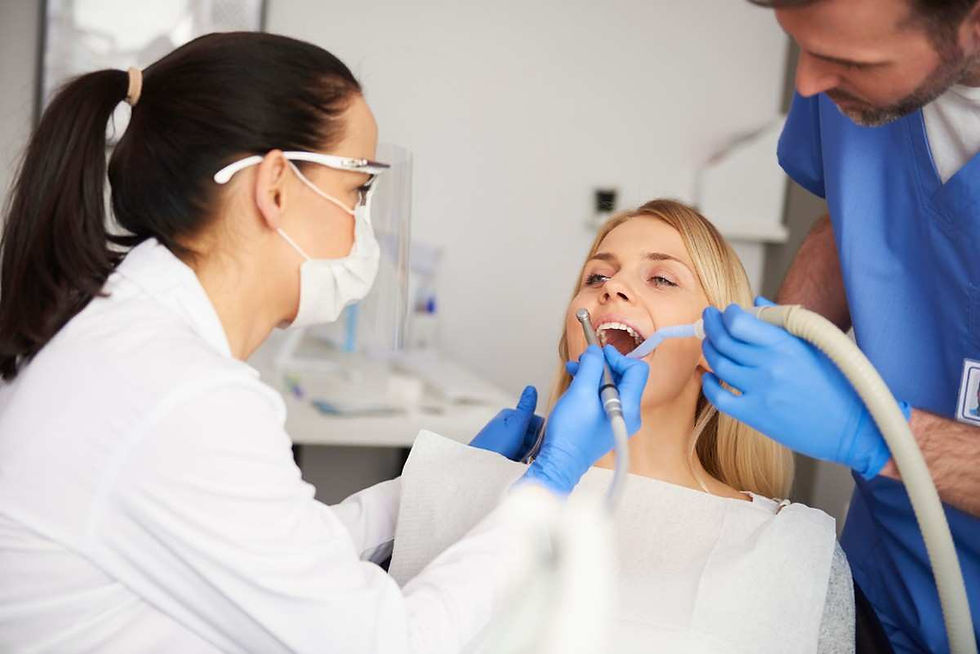
Gum grafting is a common dental procedure used to treat gum recession and protect the roots of your teeth. When gums pull away from the teeth, it can lead to sensitivity, discomfort, and even tooth loss if left untreated. Many patients considering this treatment often ask one important question: does gum grafting hurt?
The good news is that modern dental techniques and anesthesia make the procedure far more comfortable than many people expect. Patients seeking Gum Grafting in Beverly Hills are often surprised by how manageable both the procedure and recovery process can be.
Why Gum Grafting Is Needed
Gum recession can happen for several reasons, including:
Gum Disease
Periodontal disease damages the gum tissue and supporting structures around the teeth.
Aggressive Brushing
Brushing too hard over time can wear away gum tissue.
Genetics
Some people naturally have thinner gum tissue, making them more prone to recession.
Teeth Grinding
Clenching or grinding can place excess pressure on gums and teeth.
Poor Oral Hygiene
Plaque and tartar buildup may contribute to gum problems and recession.
Gum grafting helps restore lost tissue, improve oral health, and protect exposed tooth roots from further damage.
The Role of Periodontics in Gum Health
Periodontics focuses on the prevention, diagnosis, and treatment of gum related conditions. Specialists in this field are trained to manage gum recession, gum disease, and procedures such as gum grafting. Proper periodontal care can help patients maintain healthier gums, stronger teeth, and better long term oral health.
Does Gum Grafting Hurt During the Procedure?
One of the biggest concerns patients have is pain during treatment. In reality, the procedure itself is usually not painful because the dentist or periodontist uses local anesthesia to numb the area completely.
During the procedure, patients may feel:
Mild pressure
Small movements
Slight vibrations
However, sharp pain is generally not experienced. Some dental offices may also offer sedation options for patients who feel anxious about treatment.
The exact technique used can vary depending on the severity of gum recession. In some cases, tissue is taken from the roof of the mouth, while other procedures use donor tissue to reduce discomfort and healing time.
What Happens After Gum Grafting?
Once the anesthesia wears off, mild soreness and tenderness are normal. Most patients describe the recovery as manageable rather than severe. The first few days are usually the most noticeable, but discomfort gradually improves.
Common symptoms after gum grafting include:
Mild Swelling
Swelling around the treatment site is common for the first few days.
Sensitivity
Teeth and gums may feel sensitive to temperature changes.
Minor Bleeding
A small amount of bleeding may occur immediately after surgery.
Tightness or Tenderness
The grafted area can feel tight as the tissue heals.
Pain levels vary from person to person, but many patients find over the counter pain medication sufficient for relief.
How Long Does Recovery Take?
Healing time depends on the type of gum graft performed and the patient’s overall oral health.
First 24 to 48 Hours
Patients should focus on rest and avoid strenuous activities. Soft foods and hydration are recommended.
One Week After Surgery
Swelling and discomfort usually improve significantly during this stage.
Two to Four Weeks
The gum tissue continues to heal and attach properly around the teeth.
Full Healing
Complete healing may take several weeks to a few months depending on the complexity of the procedure.
Following post treatment instructions carefully can help speed up recovery and reduce complications.
Tips for a Smooth Recovery
Proper aftercare plays an important role in healing comfortably after gum grafting.
Eat Soft Foods
Choose foods like:
Yogurt
Mashed potatoes
Soup
Smoothies
Scrambled eggs
Avoid crunchy, spicy, or hard foods that could irritate the surgical area.
Avoid Smoking
Smoking can slow healing and increase the risk of complications after surgery.
Follow Oral Hygiene Instructions
Patients are often advised to avoid brushing directly on the grafted area for a short period. A special mouth rinse may be recommended to keep the area clean.
Take Medications as Directed
Pain relievers or antibiotics should be used exactly as prescribed.
Attend Follow Up Visits
Regular follow up appointments allow the periodontist to monitor healing progress and ensure the graft is successful.
When Should You Call Your Dentist?
While most recoveries go smoothly, patients should contact their dental professional if they experience:
Excessive bleeding
Severe pain that worsens
Signs of infection
Fever
Swelling that increases after several days
Early treatment can help prevent complications and protect the results of the procedure.
Benefits of Gum Grafting
Although recovery requires patience, gum grafting offers important long term benefits for both oral health and appearance.
Reduced Tooth Sensitivity
Covering exposed roots helps reduce discomfort from hot and cold foods.
Improved Smile Appearance
Healthy gum tissue creates a more balanced and attractive smile.
Protection Against Further Recession
The procedure helps strengthen gum tissue and prevent additional damage.
Better Oral Health
Healthy gums provide stronger support for teeth and reduce the risk of tooth loss.
Is Gum Grafting Worth It?
For many patients, the benefits of gum grafting far outweigh the temporary recovery period. Treating gum recession early can prevent more serious dental problems in the future and improve both comfort and confidence.
Advancements in periodontal care have made gum grafting safer, more predictable, and more comfortable than ever before. Most patients find that the procedure is much easier than they originally expected.
If you are experiencing gum recession, tooth sensitivity, or concerns about your gum health, seeking professional evaluation is an important first step. The experienced team at Dr. Bradley Lander provides advanced periodontal treatments designed to restore healthy gums and support long term oral wellness.


Comments